Learning & Development
Creating Multi-Language Learning Content at Scale
Beyönd, founded by Laurent Rozenfeld, builds immersive educational video experiences designed to engage learners through realistic, character-driven storytelling.
Their content relied heavily on long-form scenes, but scaling it beyond a single language was difficult. Localizing large volumes of video risked losing natural delivery, character integrity, and overall credibility.
With LipDub AI, they were able to adapt existing content for multiple languages—preserving performance quality while scaling efficiently across French, Dutch, and English.
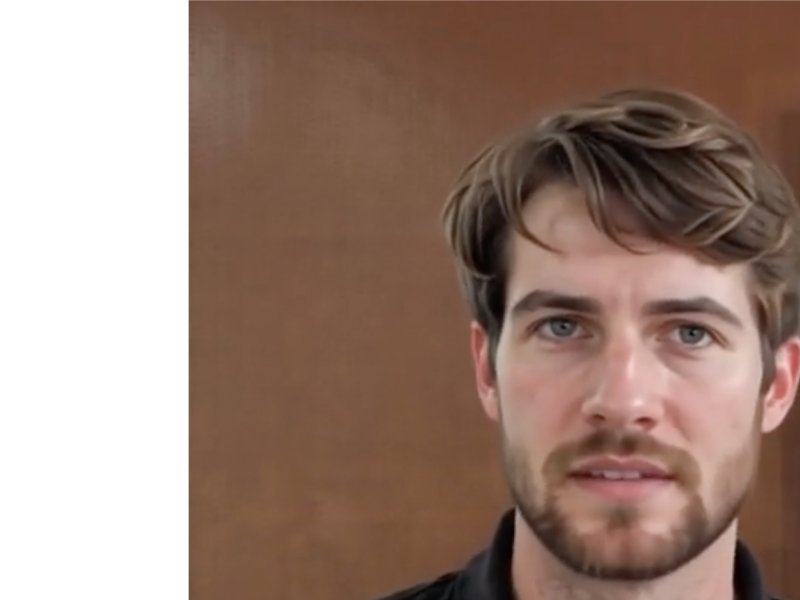
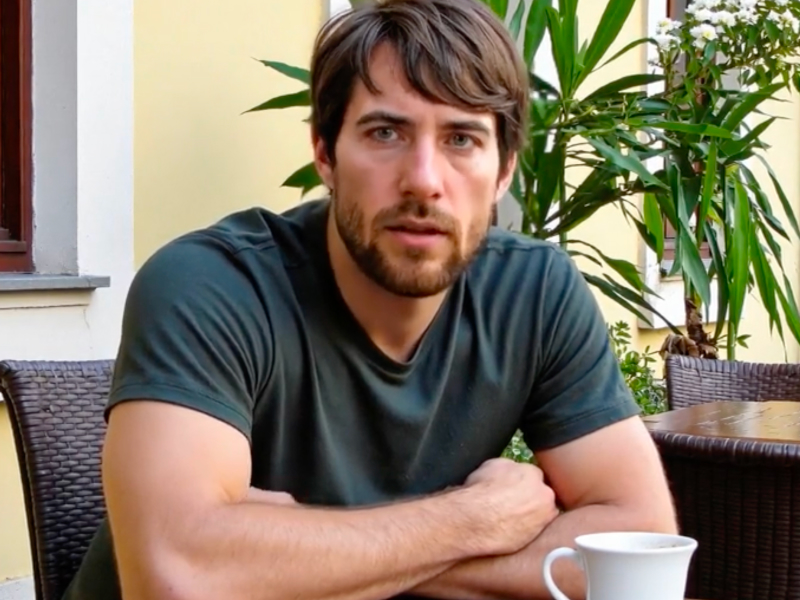
Before LipDub AI, Laurent’s workflow involved piecing together multiple tools for translation and lip sync, often resulting in clunky, unnatural outputs. With long-form scenes and multiple speakers, most solutions fell apart when applied to anything beyond 6–8 second clips.
Laurent’s vision required long-form, emotionally expressive video scenes that felt natural in multiple languages. In practice, that created several challenges:
As a solo creator building multi-character narratives, Laurent needed a way to localize at scale without compromising visual quality, credibility or resorting to costly, time-intensive workflows.

Laurent built a custom workflow integrating AI-generated characters with LipDub AI’s high-fidelity lip sync and translation tools. This included:
Laurent favored LipDub’s proprietary training model for its natural articulation and ability to handle longer clips better than any other solution and appreciated the option to scale output speed without compromising on believability.
LipDub AI was the first solution that could handle long-form, multi-character scenes without breaking realism. It addressed the core limitations of existing tools and gave Laurent a more reliable workflow for producing multilingual content that maintained visual credibility at scale.
Built-in editing and clean-up tools (e.g., training image filtering) that improved quality while simplifying workflow

Upload a video or use one of ours, change or translate the dialogue, and see the most natural AI lip sync for yourself. No credit card required.
.svg)



